
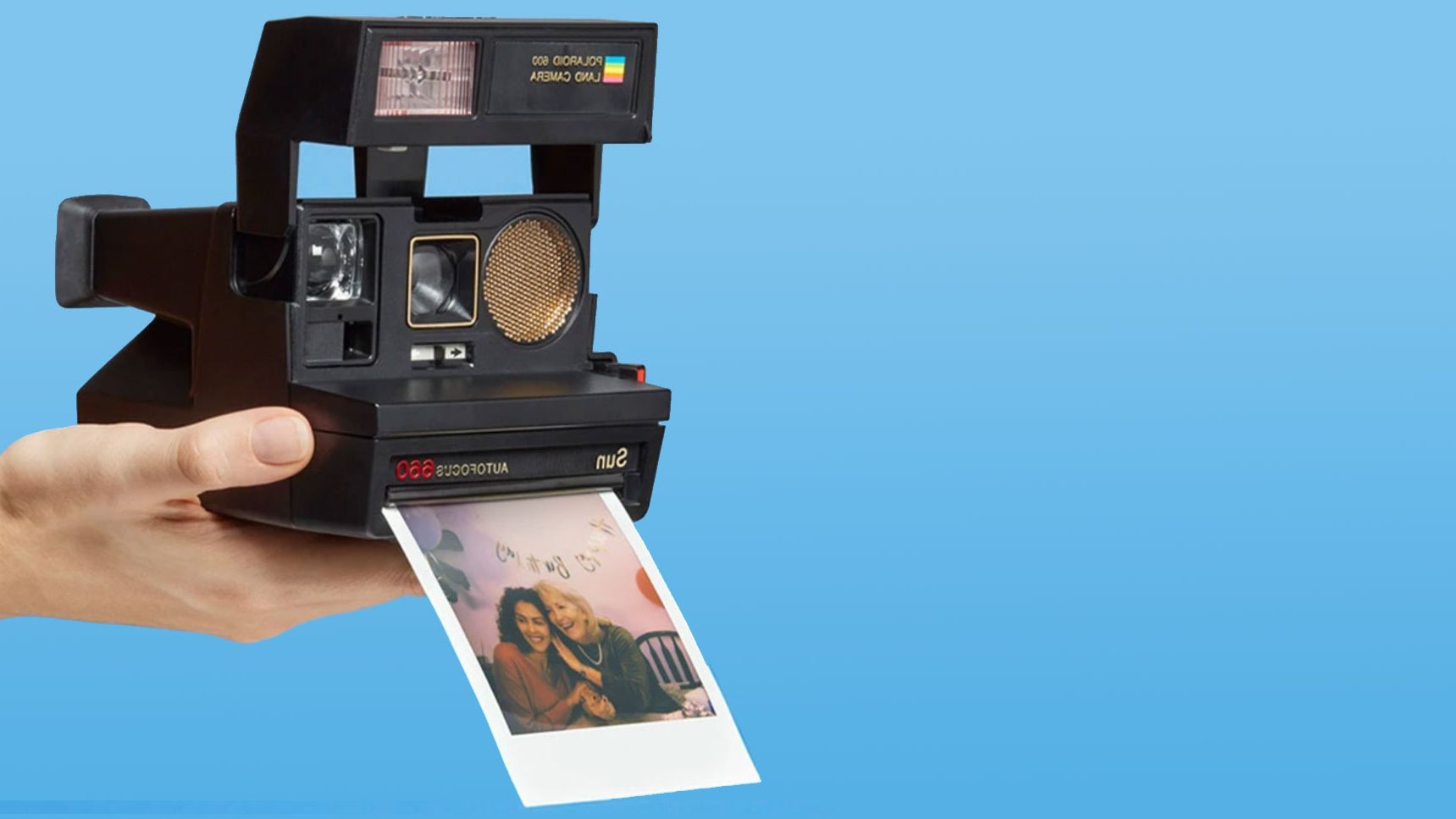
One click on the photo camera and a minute later a photo comes out. Nostalgia? No, it is not. Although this technology with built-in film development debuted already in 1948, there is a growing demand for instant photography in the age of digital. That is why a Polaroid film cartridge production line in Enschede was revived from 2008 onward. Demcon industrial systems supports this process with a retrofit process module and works at improving the ultra-fast production line’s reliability. Both the line and the products are now better than ever.
highlights
• millisecond range accuracy
• high reliability, low maintenance
• retrofit process module
• handling 180 films per minute
multi-disciplinary approach.
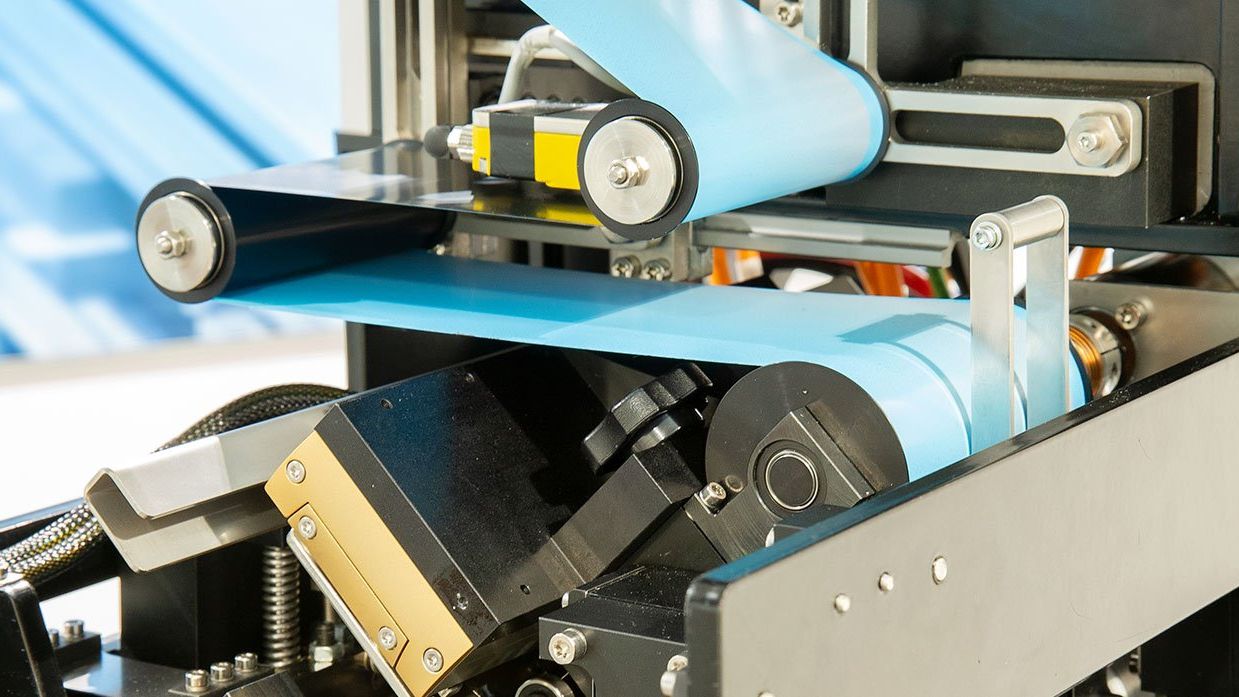
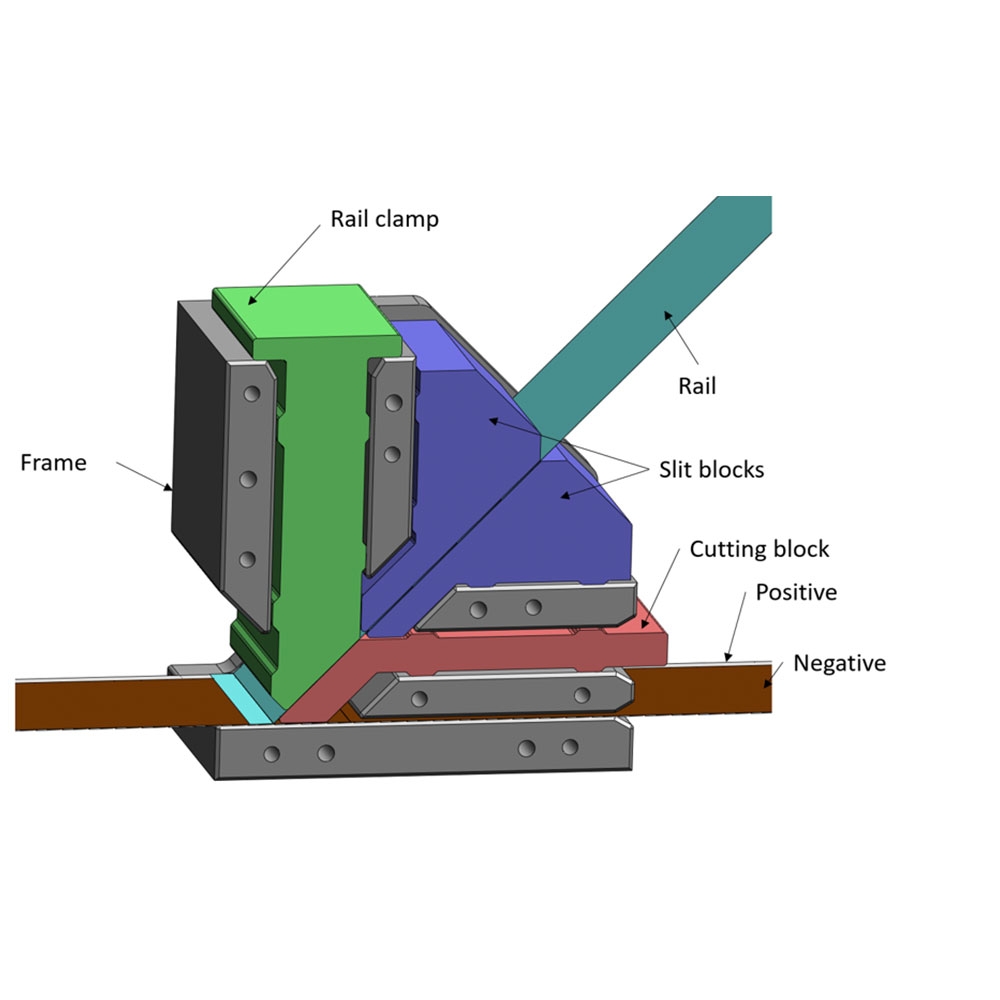
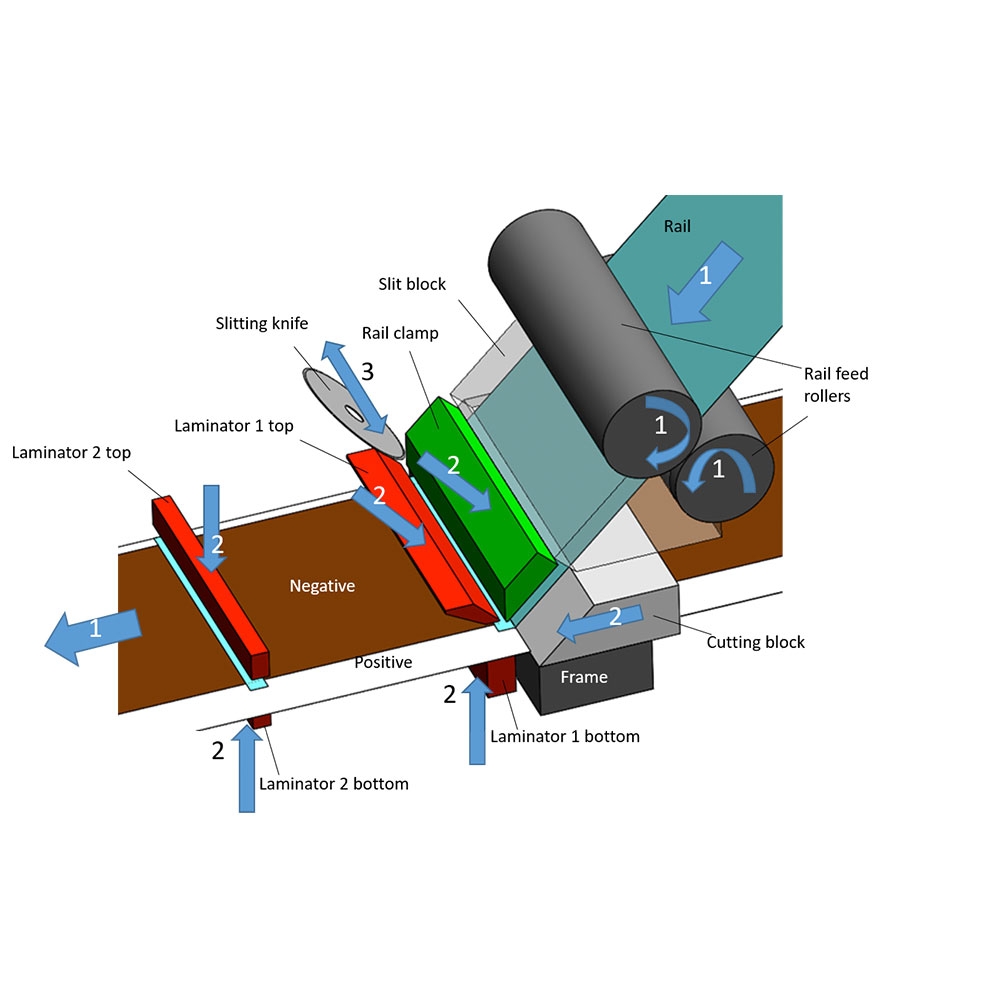
In the Polaroid instant camera and film technology, chemistry and materials are combined ingeniously. Take for instance the complex film production in Enschede. An important step in the process is cutting the film into so-called ‘rails’, narrow strips that are laminated onto the photosensitive material, thus connecting the negative to the underlying positive. The rails serve to guard the distance during the development process in the camera, seeing to it that a roll can apply the developer liquid in the right layer thickness to the negative.
Since the production line was revived, it turned out that the existing process had difficulty with cutting, laminating, and handling the present, 30-50 μm thin-film material of the rail. Demcon Industrial Systems was asked to develop a robust and reliable new solution for cutting and laminating. Preconditions: it should be able to handle 180 films per minute and be highly flexible in handling different film types and sizes.
high reliability, low maintenance.
Out of various options, a circular knife promised the best cutting results. To address possible wear issues, extensive tool lifetime tests were carried out. These proved that even after a million cycles there is still a clean cut. The system is designed for low maintenance. The use of leaf springs and extremely reliable bearings leads to a whopping 22 million cycles of maintenance-free operation. The eventual exchange of wear-sensitive tools leads to minimal downtime.
The laminating process was also revised. The ‘hot block’ technology remained, but with the use of a copper alloy instead of steel for better heat transfer. To optimize the process critical process timing, the mechanical control system was replaced by a mechatronic camming system seeing to millisecond range accuracy in servomotor control.
"success for a large multidisciplinary development team."
For this project, we were able to deploy our expertise in system architecture, physical-chemical processes, mechatronics, system integration, and industrialization. With this, we did our bit to help realize the impossible: to revive a technology deemed obsolete. The fully operational new module has already been used to train the Polaroid staff. It now awaits integration during the next maintenance window, so that it can henceforth boost the overall line reliability.