OUR SERVICES
We provide contract engineering & contract manufacturing

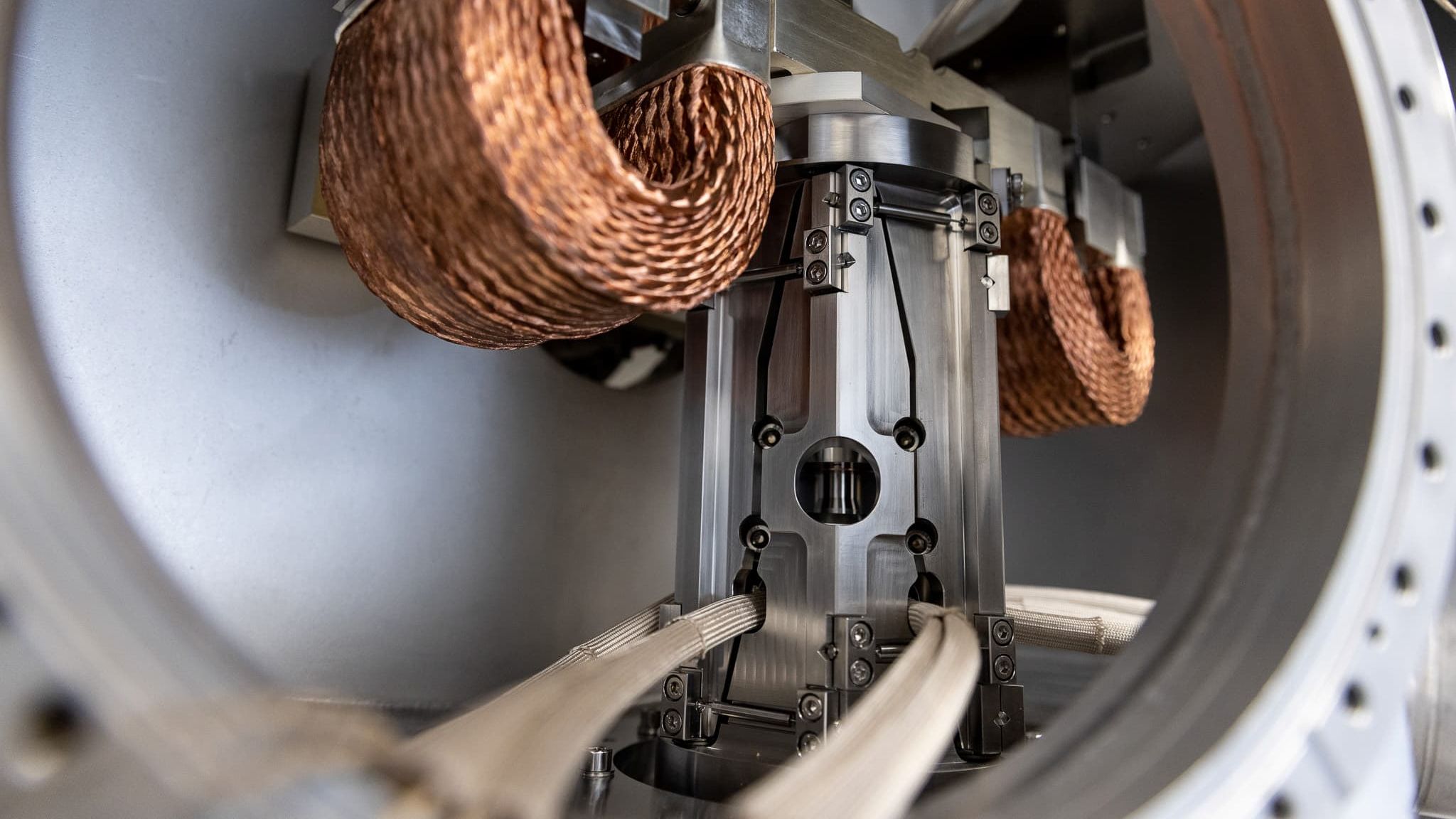
Developing the unique set-ups for large-scale science projects requires the utmost from engineers, and we are well-equipped to play this part. We are no fundamental academic scientists; our forte is in fast engineering, translating often fluid requirements and initial ideas, through thorough analyzes and simulations, into feasible concepts, and realizing one-of-kind hardware modules and customized software.
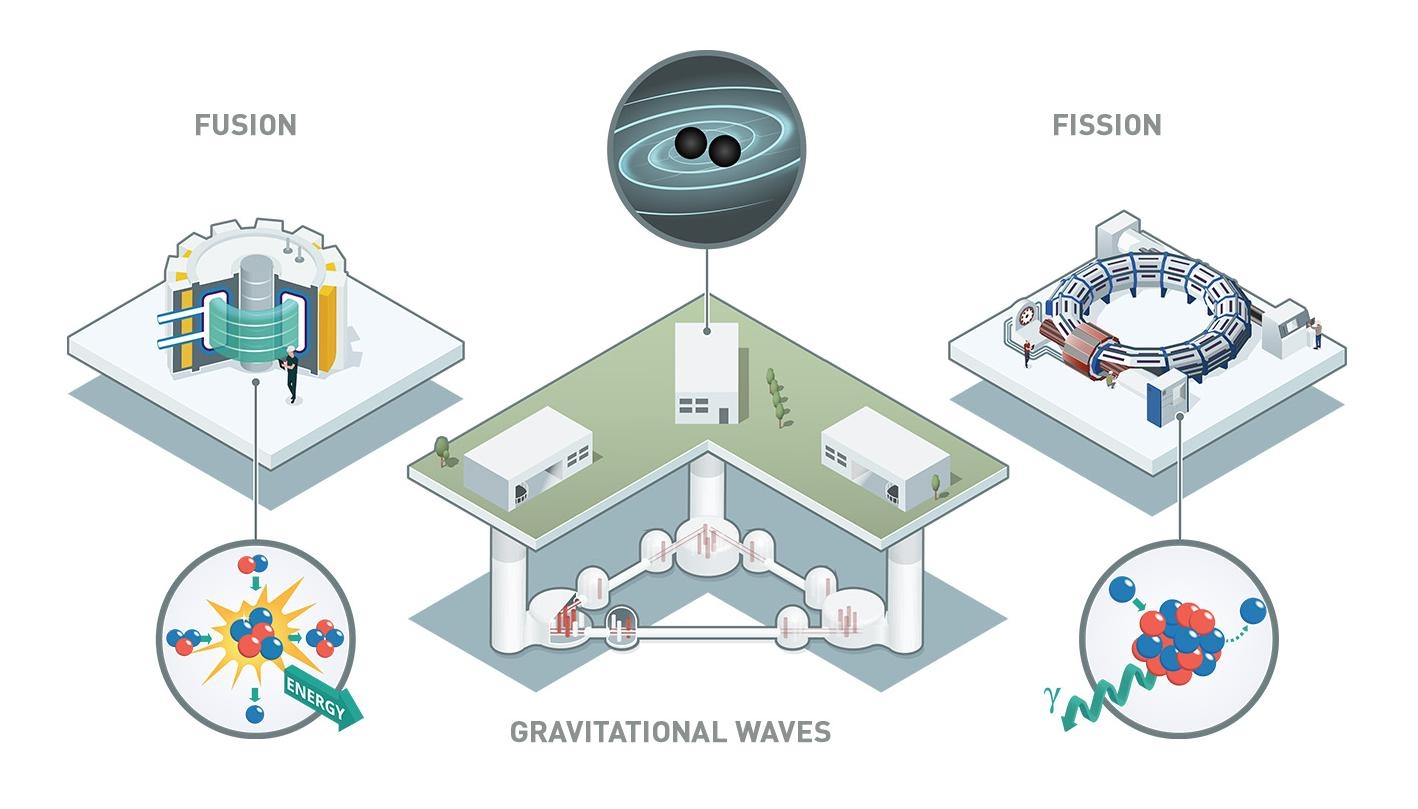
Big science projects are laying the foundation for solving the biggest societal challenges. Our credentials include complex project developments for the UK Atomic Energy Authority (British fusion energy program), Thorizon (Dutch nuclear reactor), the Einstein Telescope (observatory for gravitational waves), the Extremely Large Telescope in Chile, and many more.
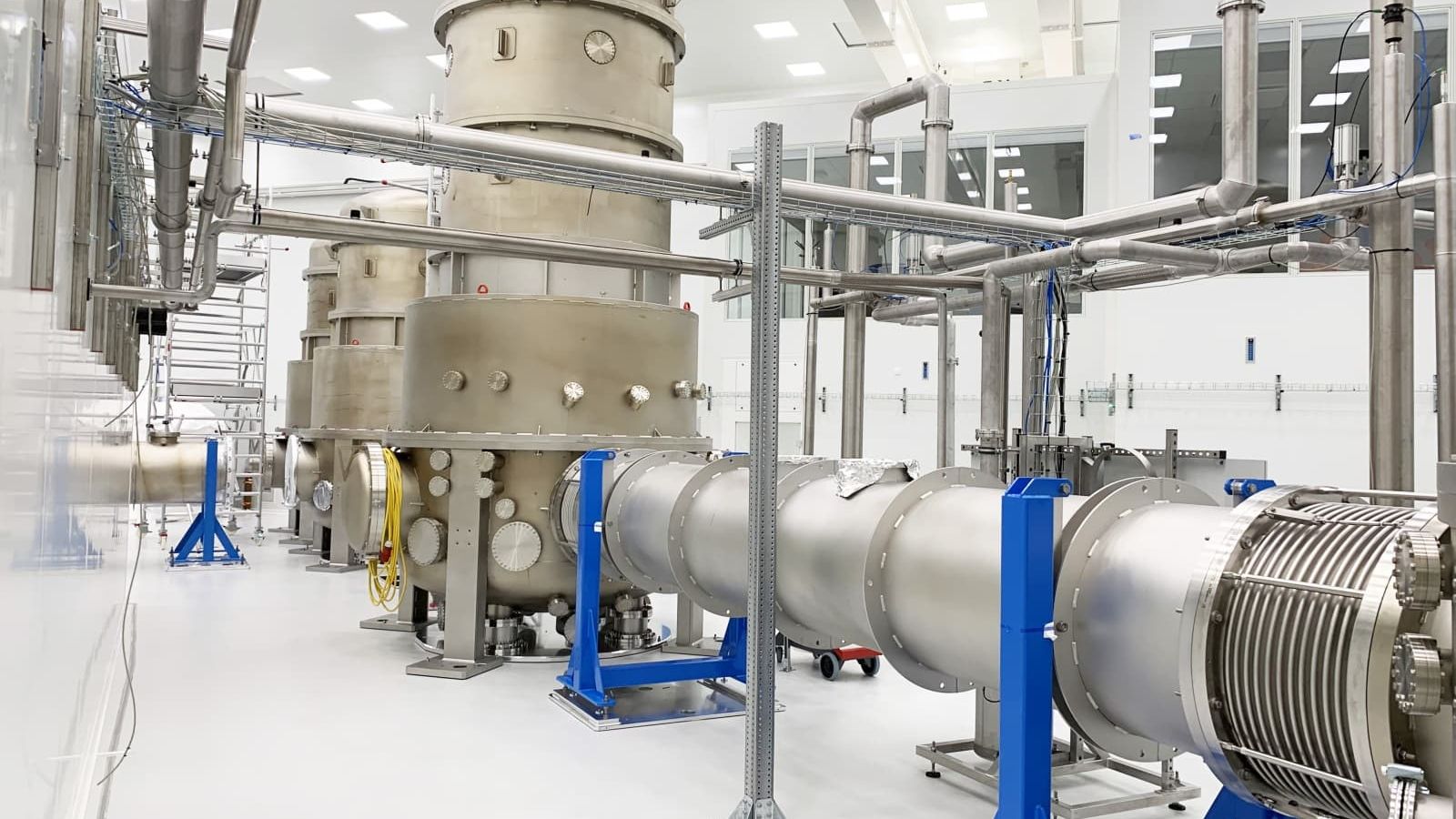
We bring essential technical niche competencies to the table, amongst others, multiphysics simulation, superconductivity, thermal hydraulics, plasma physics, optics, laser physics, and cryogenics.

We believe in the power of partnerships. So, to deliver as promised, we combine expertise, experience, and domain knowledge to create a winning team. Working side-by-side, creating shared value.