OUR SERVICES
We provide contract engineering & contract manufacturing

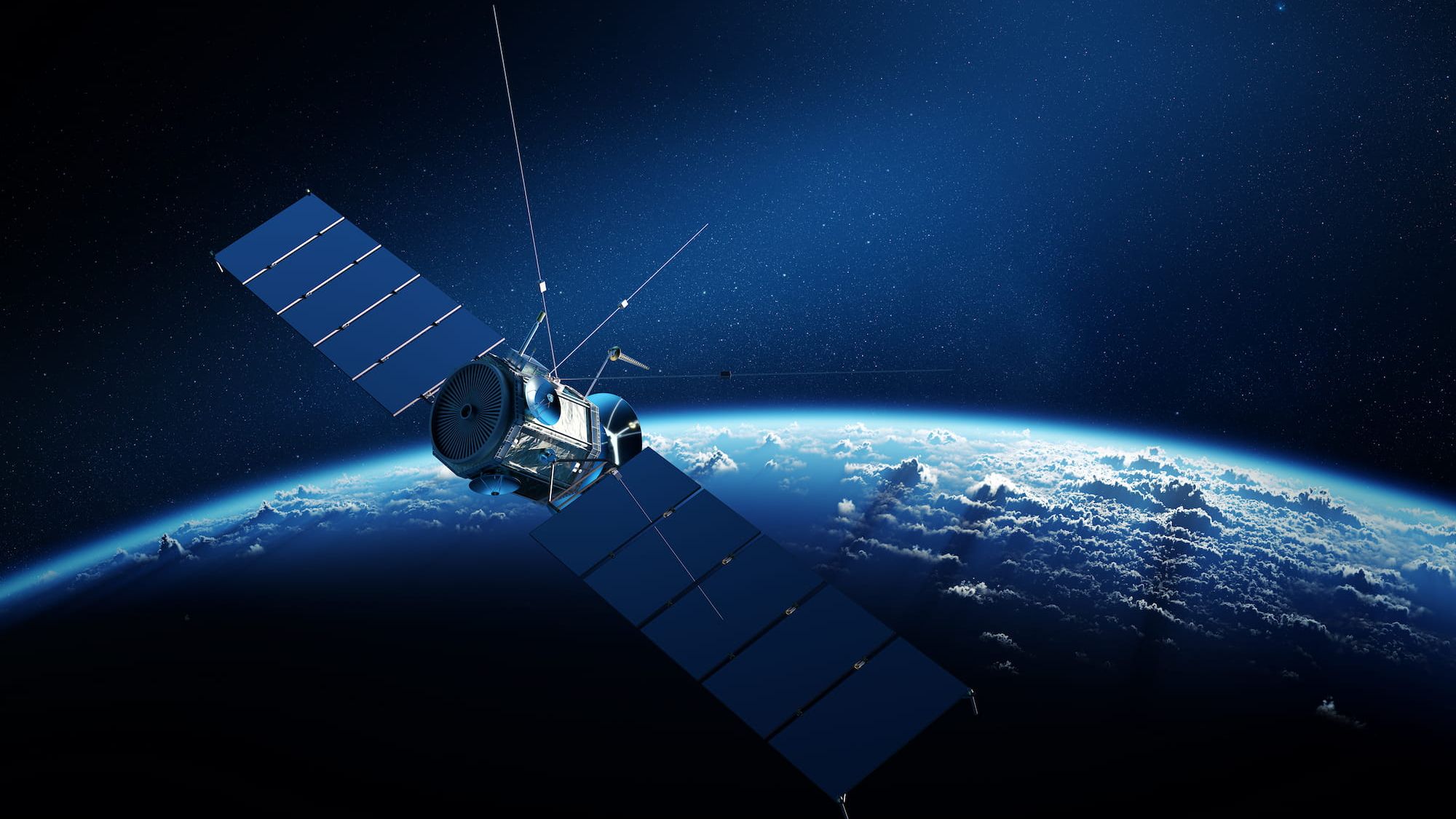
The innovative, unique and high-tech nature of aerospace applications matches perfectly with our R&D, engineering and design services. Because even though the industry is well-established, aerospace systems without exception require state-of-the-art developments into areas that are often completely unknown. We boldly engineer what no company has done before. Our compelling proficiencies in simulation, optics and cryogenics are vital for this industry.
We are involved in four different domains. Our compelling proficiencies in simulation, optics and cryogenics are vital for this industry.
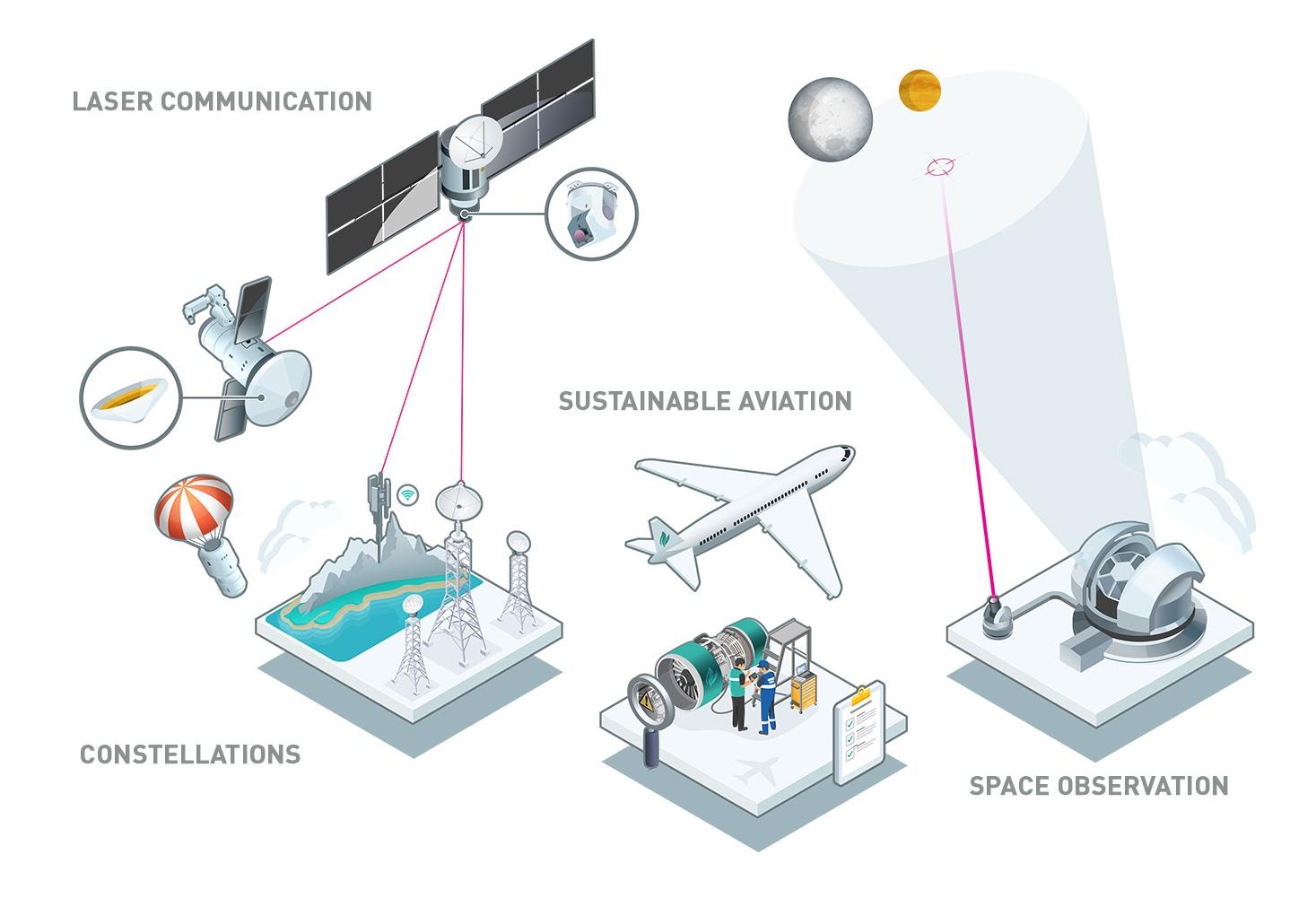
FSO develops and supplies laser communication components, subsystems and terminals based on free-space optics. Together with VDL, Demcon is part of this joint venture that aims to industrialize laser communication technology developed by TNO.
The systems use laser beams instead of radio waves to transmit data, enabling fast, secure and low-latency communication between satellites, ground stations and airborne platforms. FSO develops solutions for a wide range of applications, including space missions and aviation.
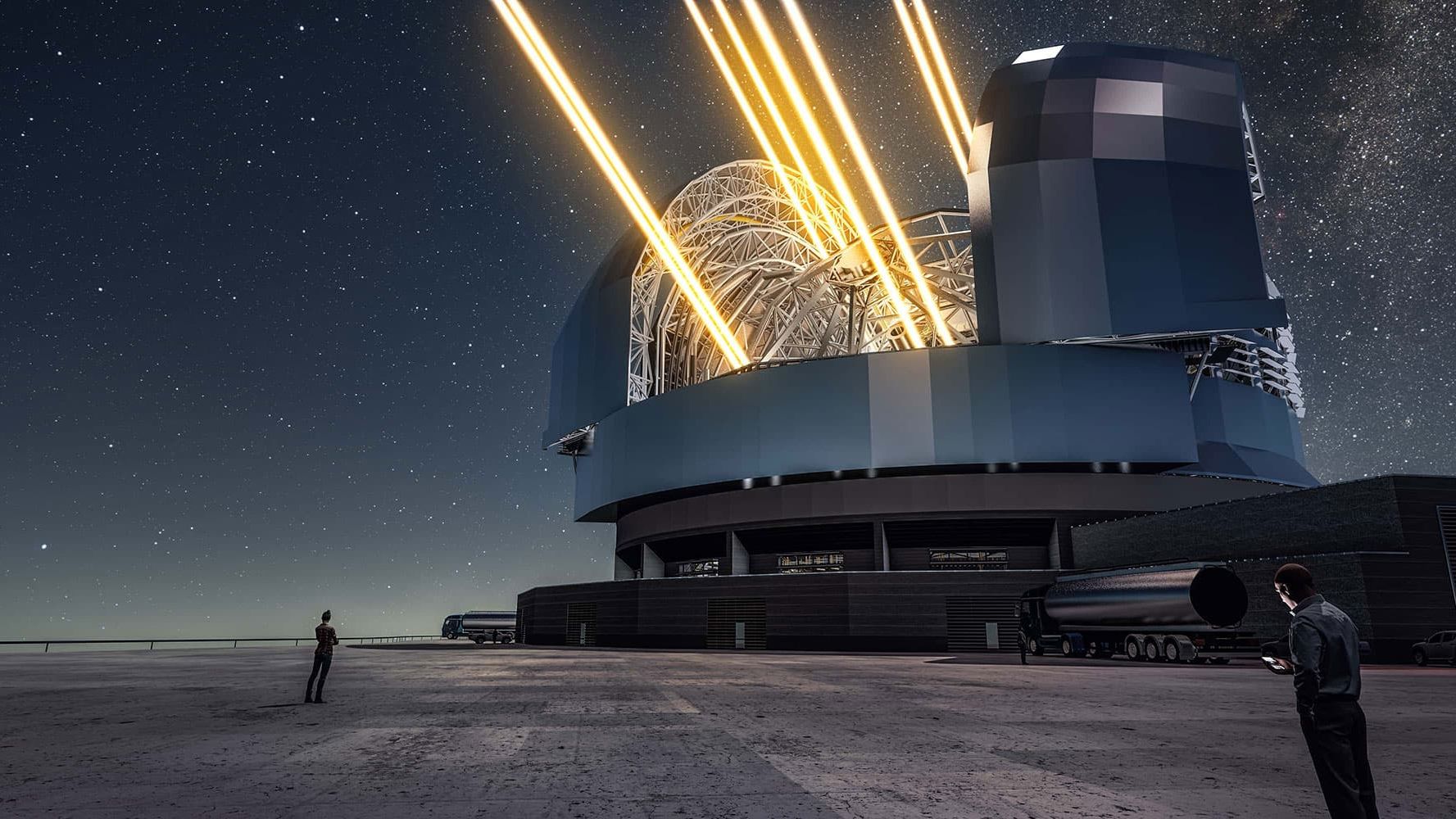
Our innovative solutions are specifically designed to endure extreme conditions, such as the intense impact of satellite launches and significant temperature fluctuations, while also meeting stringent precision requirements. Or, optical systems that need to compensate for atmospheric disturbances caused by temperature variations and turbulence, and sensitive measuring instruments, where thermal noise is a critical factor in determining measurement quality.
We believe in the power of partnerships. So, to deliver as promised, we combine expertise, experience, and domain knowledge to create a winning team. Working side-by-side, creating shared value.