3 min read
Where algorithms meet physical reality
Integrating AI into high-tech systems requires more than algorithms. By combining data, software, and system design, complex mechatronic systems become workable and scalable.
Read more
We believe that every technical challenge has a solution, and that this solution should add value for our customers. As far as confidentiality permits, we proudly share our showcases, technical articles, whitepapers and blogs. Take a deep dive into these reference cases, and feel free to contact us about your own technical challenges.
Integrating AI into high-tech systems requires more than algorithms. By combining data, software, and system design, complex mechatronic systems become workable and scalable.
Read more
Everyone sees the finished product. Few see the people making everything work together. Demcon and Krohne reveal why systems engineers are the hidden force behind innovation, project success, and technological breakthroughs.
Read more
How software at Demcon high-tech systems has grown into a fully-fledged discipline and is one of the fundamental building blocks within the multidisciplinary project teams.
Read more
We combine our optical expertise with years of experience in system engineering and machine building to make photonics technology reliable and ready for industrial production.
Read more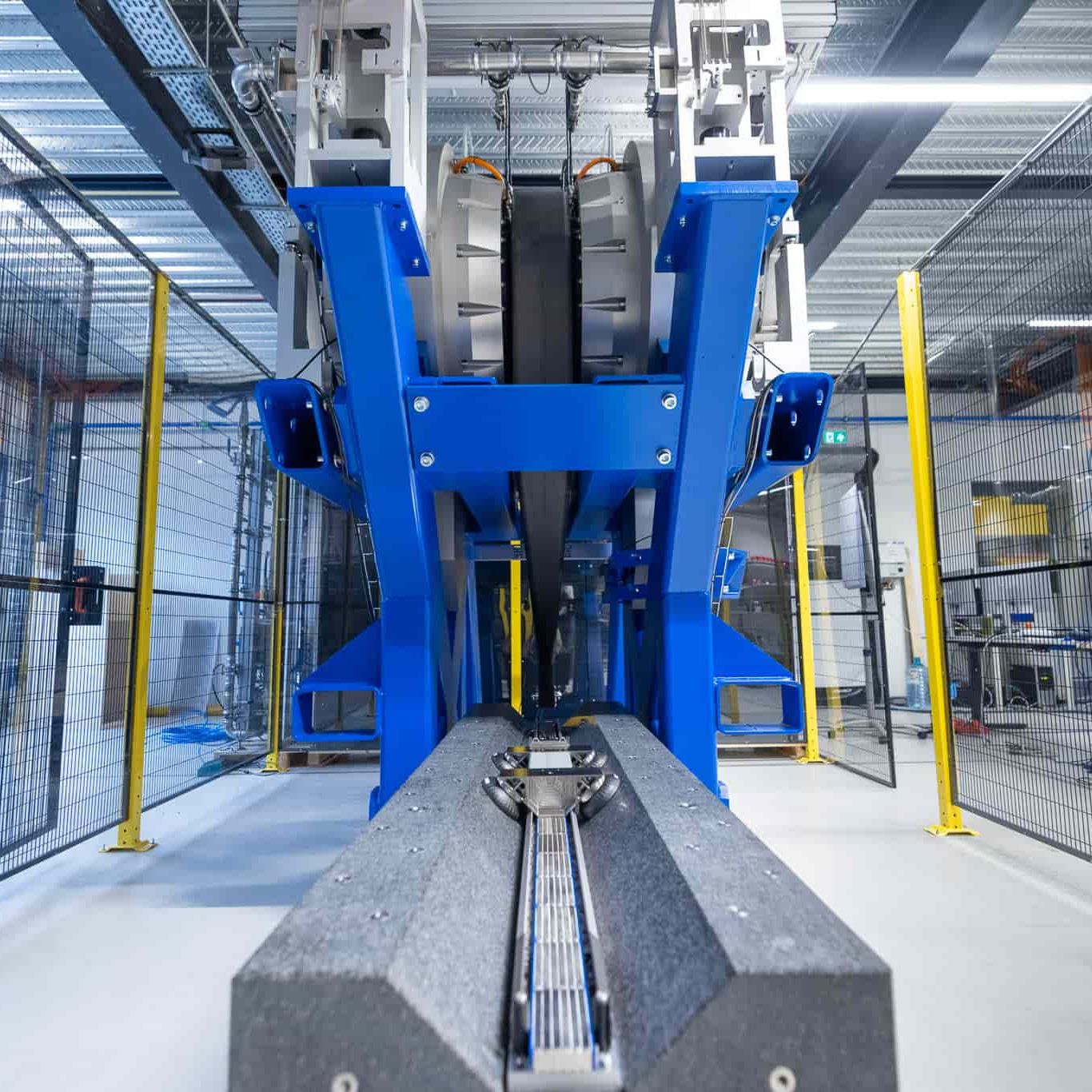
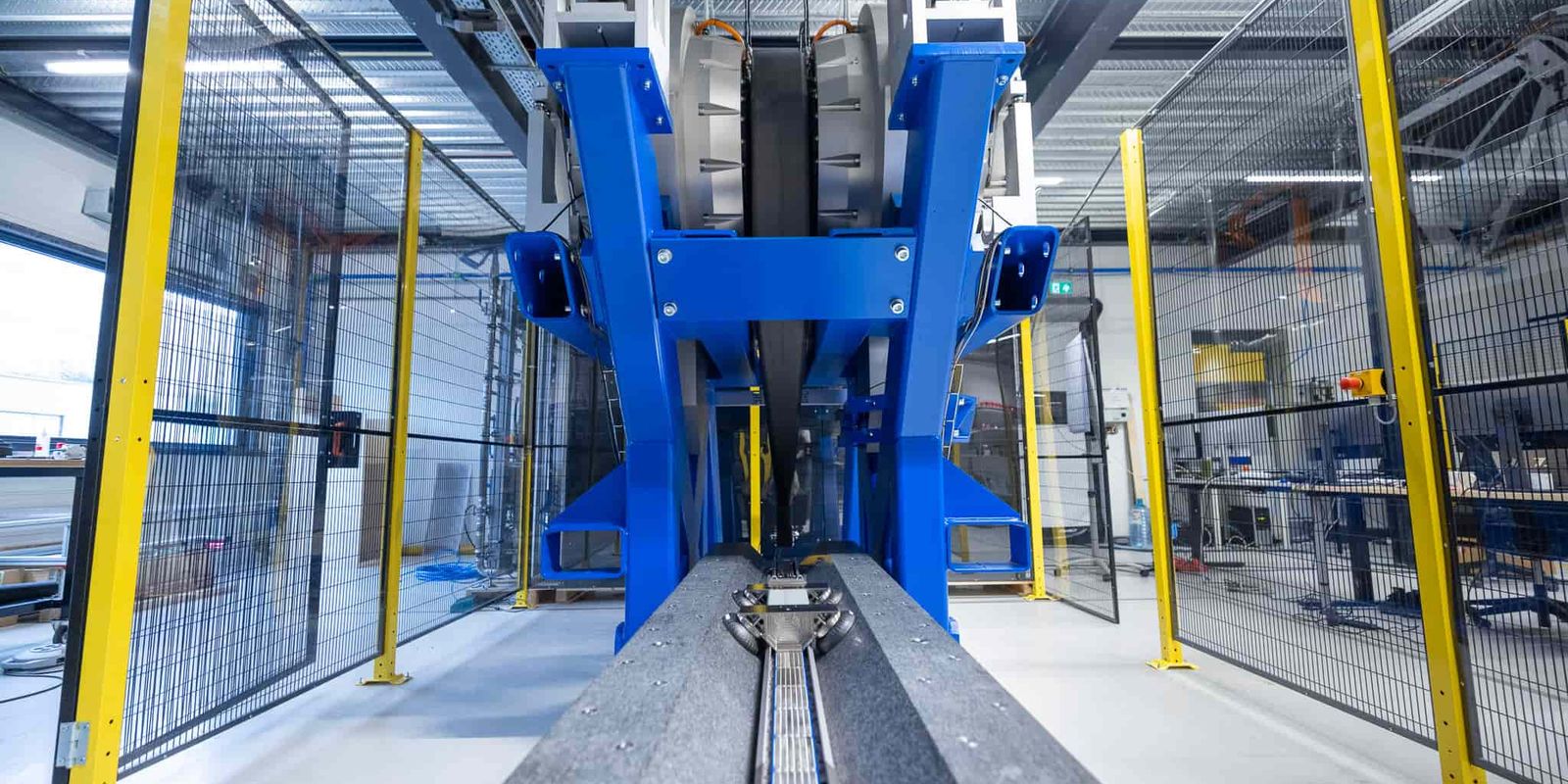
Discover our high-G motion project, where the goal was not simply to build a faster machine, but to create a platform capable of testing customer components under extremely high accelerations in a controlled, accurate and repeatable way.
Read more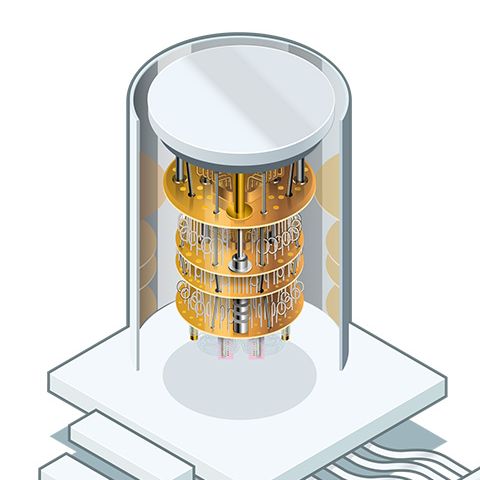
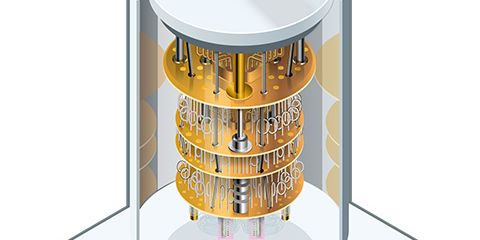
Demcon helps quantum startups scale from prototype to product by applying systems engineering and industrialization expertise.
Read more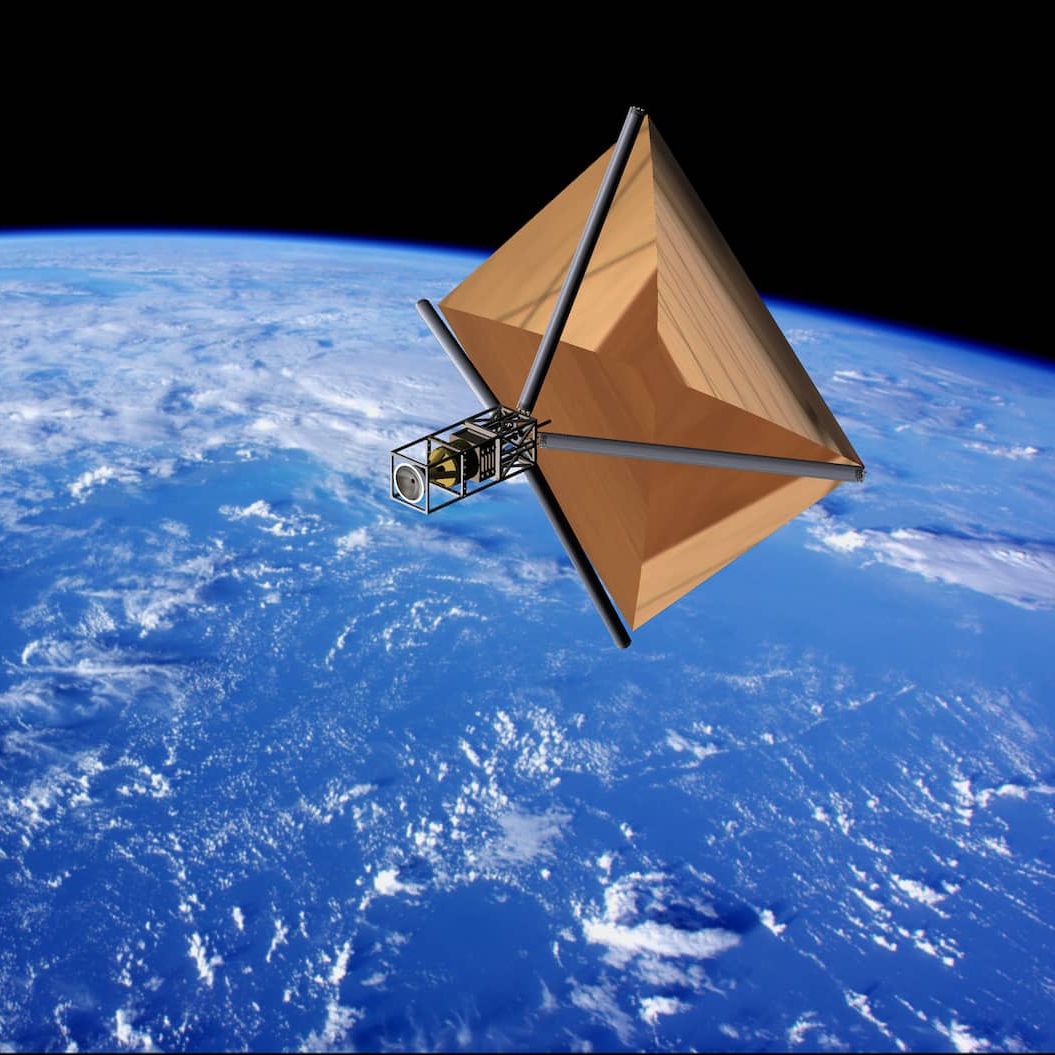
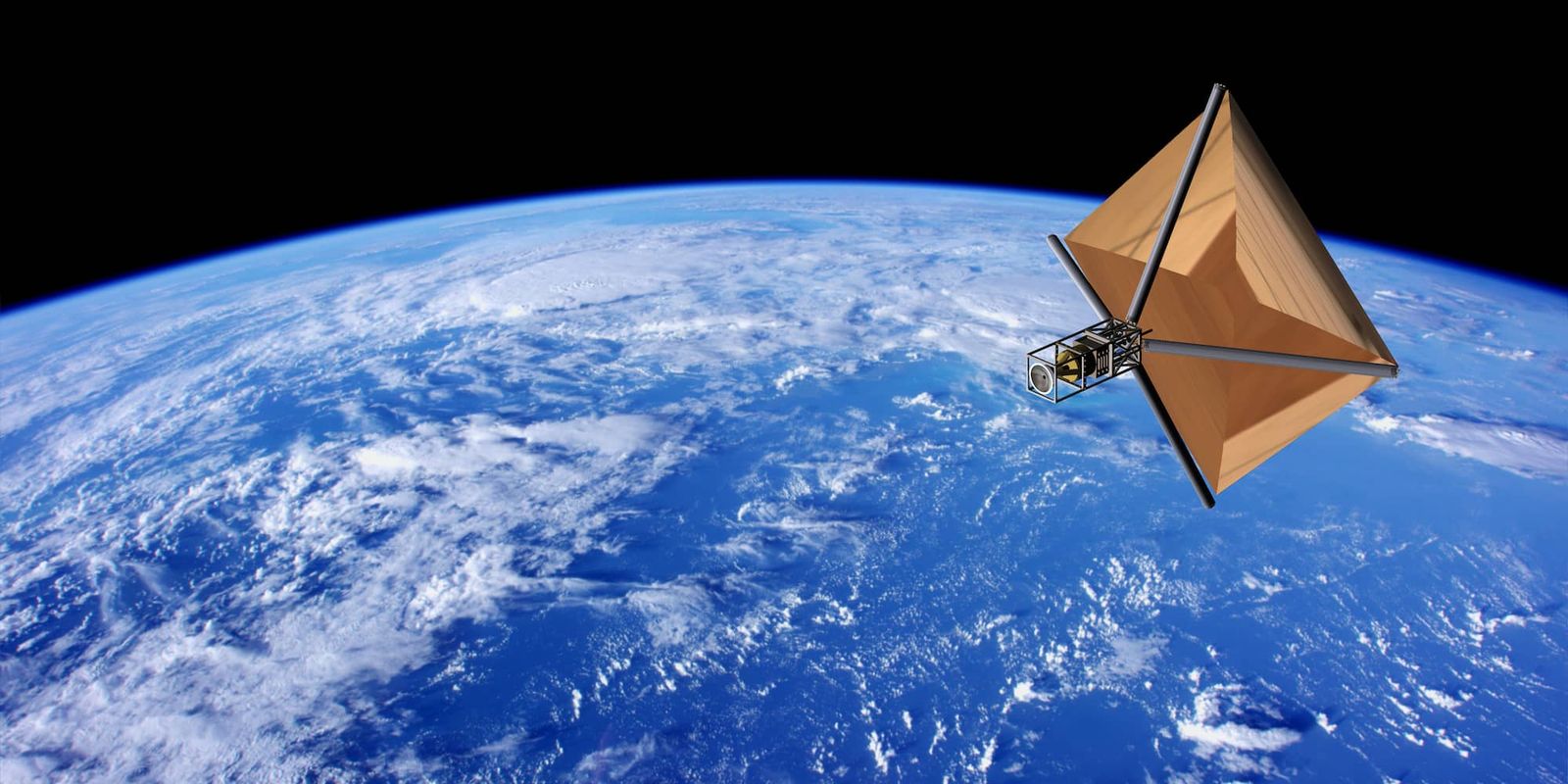
Demcon high-tech systems is developing a passive de-orbiter: a lightweight, inflatable sail that increases drag at the end of a mission and allows satellites to decelerate in a controlled manner until they burn up in the atmosphere.
Read more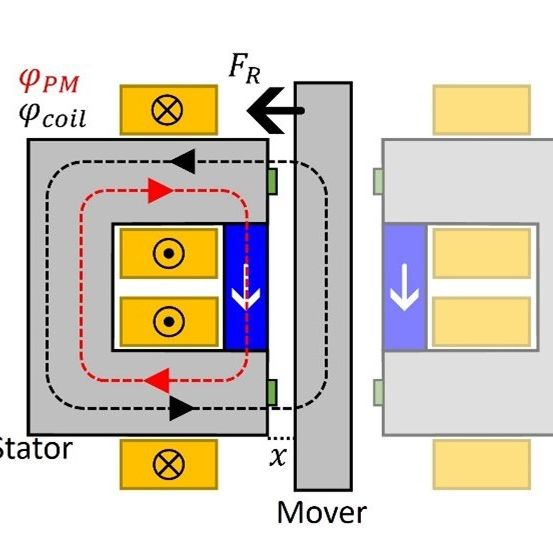
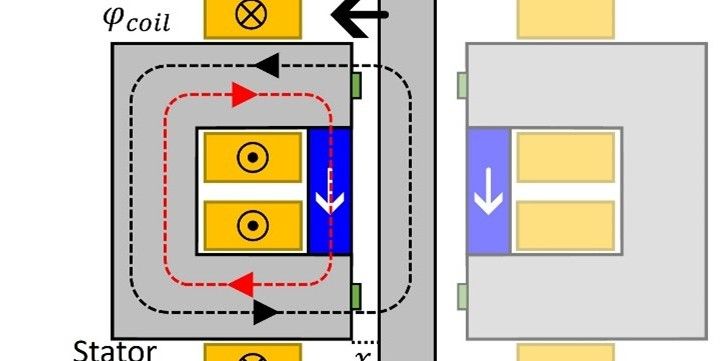
Electromagnetic actuators are an important actuation tool to achieve positioning precision on the nanometer scale. In this realm Lorentz actuators are the mostly used, due to their linear dependence between actuation force and applied current.
Read more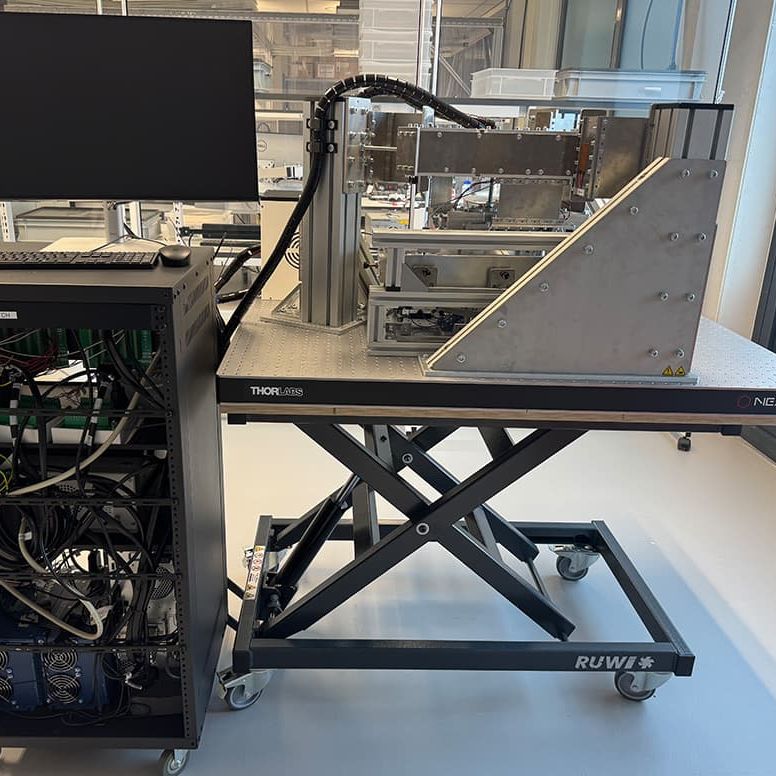
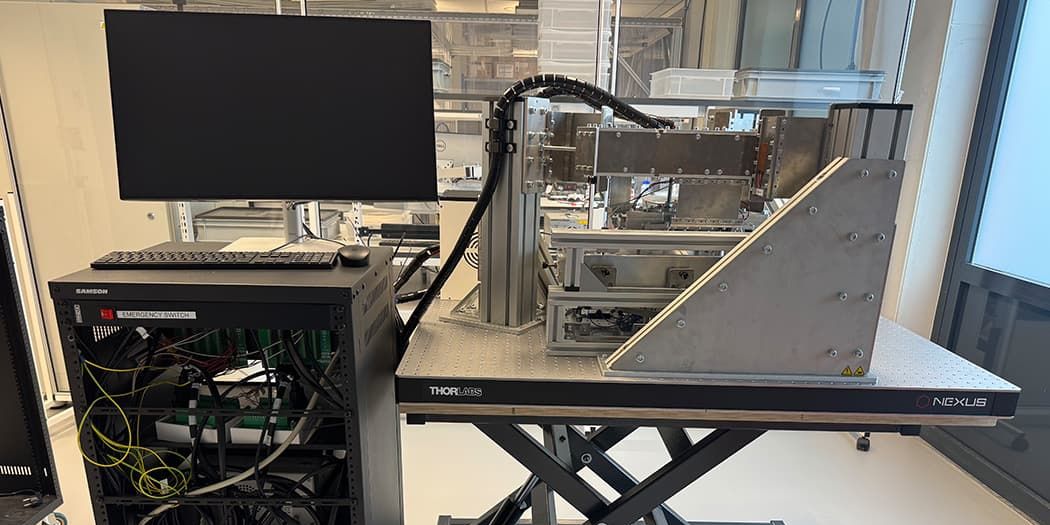
The performance of precision mechanisms can be limited by disturbing vibrations that are amplified at parasitic eigenfrequencies. Piezoelectric patches that are integrated into flexures have been shown to be a promising approach for actively suppressing parasitic modes.
Read more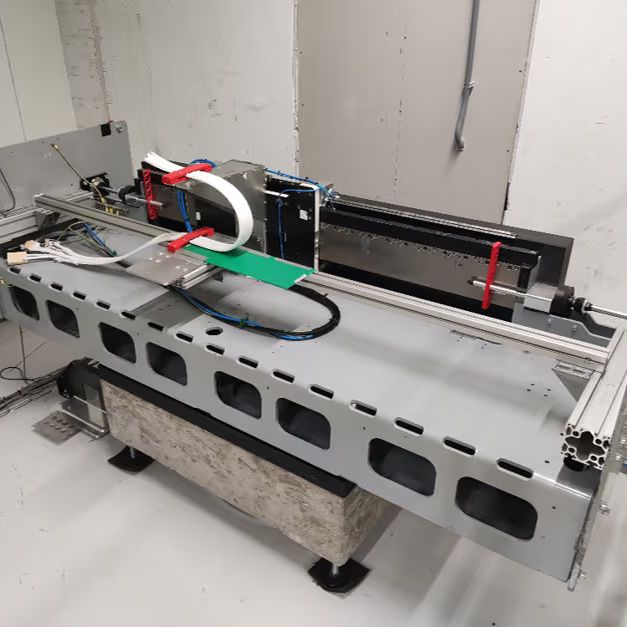
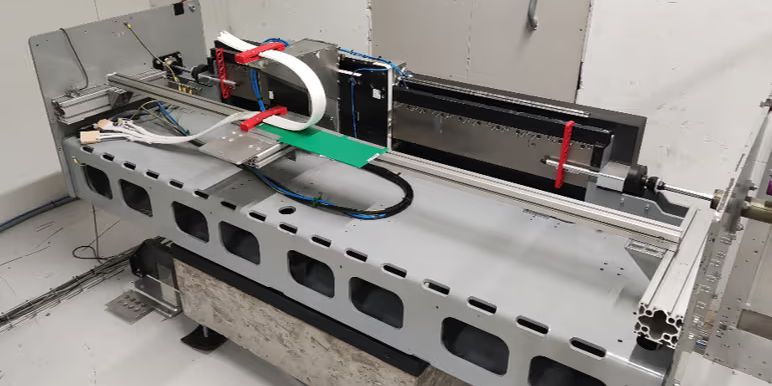
Demcon Multiphysics enhances high-tech system performance with an advanced modeling framework, optimizing cable behavior under high forces and accelerations.
Read more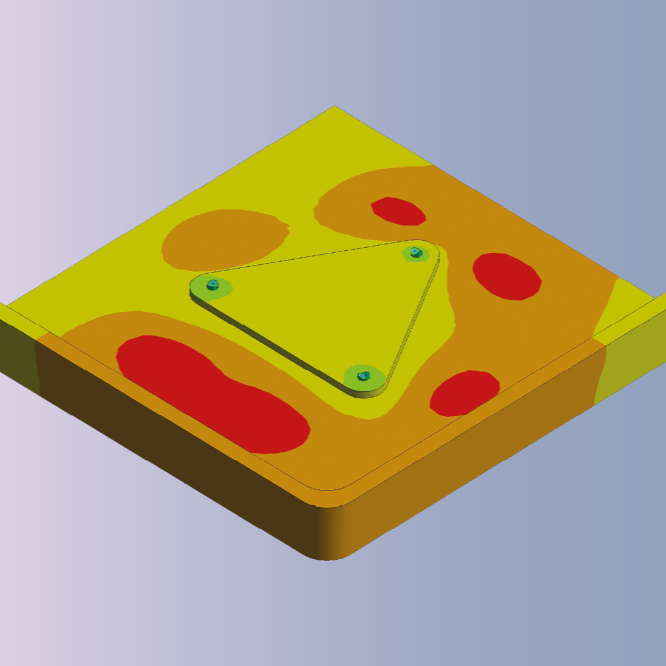
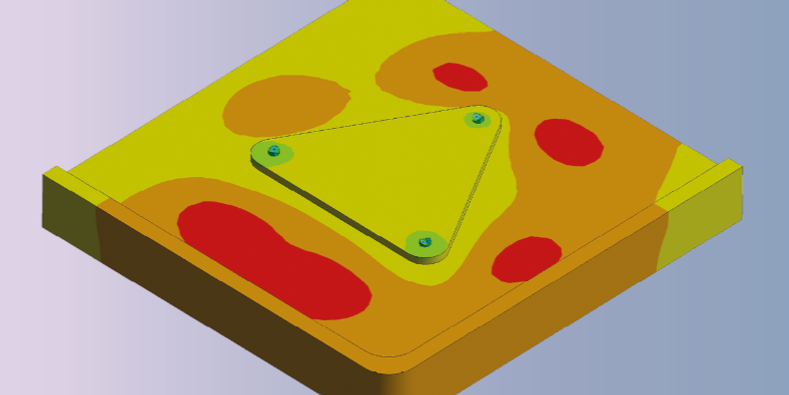
The phenomenon of thermal drift compromises precision as a result of thermal expansion or contraction of components, caused by small variations in temperature. Various mitigation strategies exist to minimise the effect of thermal drift on precision. Through modelling of thermal systems, the magnitude of thermal drift and the effectiveness of mitigation strategies can be predicted, using for example the lumped-element method (LEM) or the finite-element method (FEM).
Read more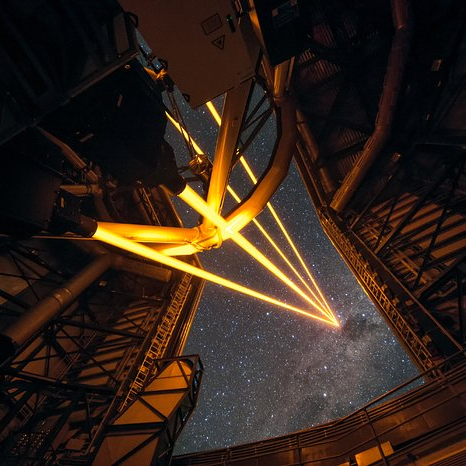
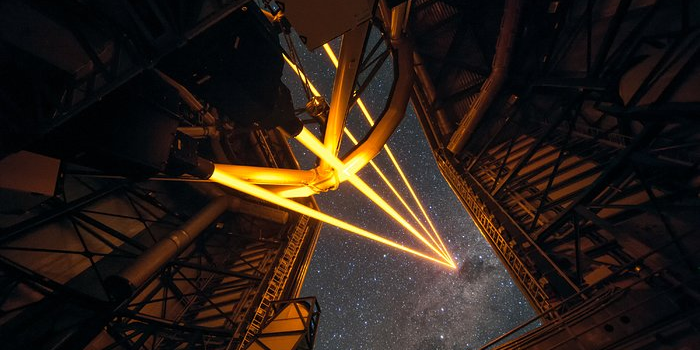
TNO and Demcon have designed a Laser Projection System and are now in the process of building and testing nine of these systems for the Very Large Telescope and the Extremely Large Telescope, both located in Chile. This article focuses on the integration, alignment and testing of this complex and sensitive optomechanical system.
Read moreDiscover how modelling supports product design using the V-model, enabling efficient transitions between phases and optimizing system performance.
Read more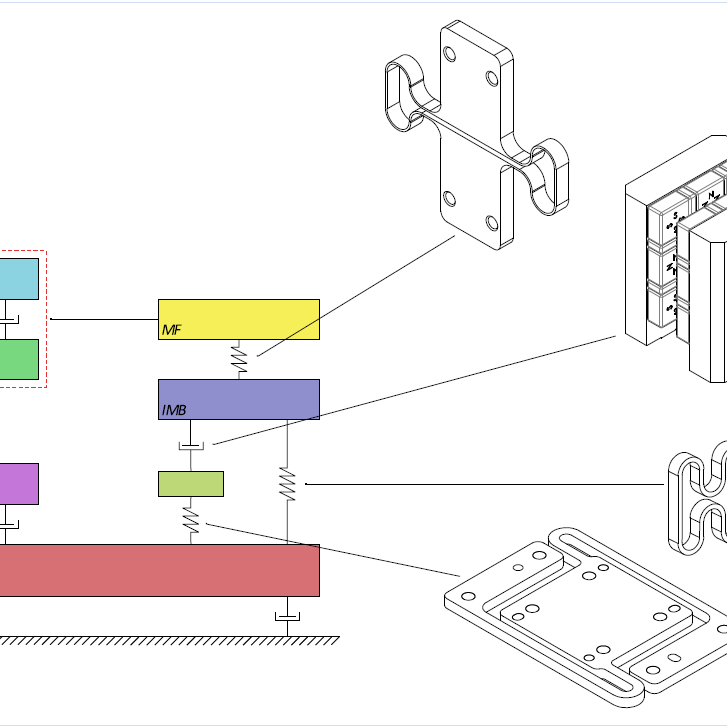
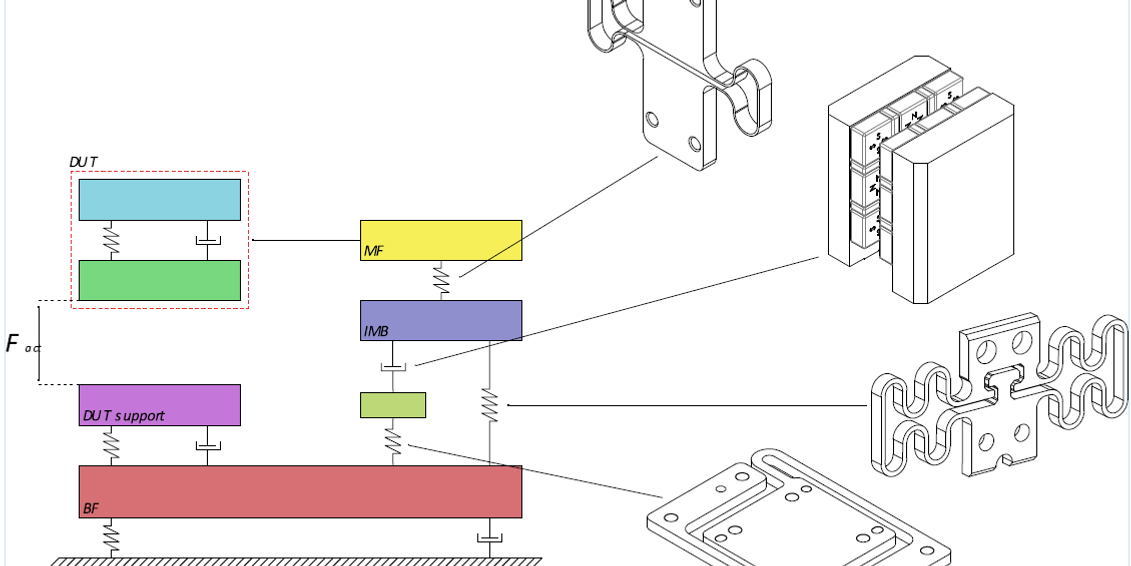
In this article, we present the model-based design steps for a high-performance vibration isolation system to support a metrology frame. During the design phase, several improvements were shown to increase the vibration isolation performance.
Read more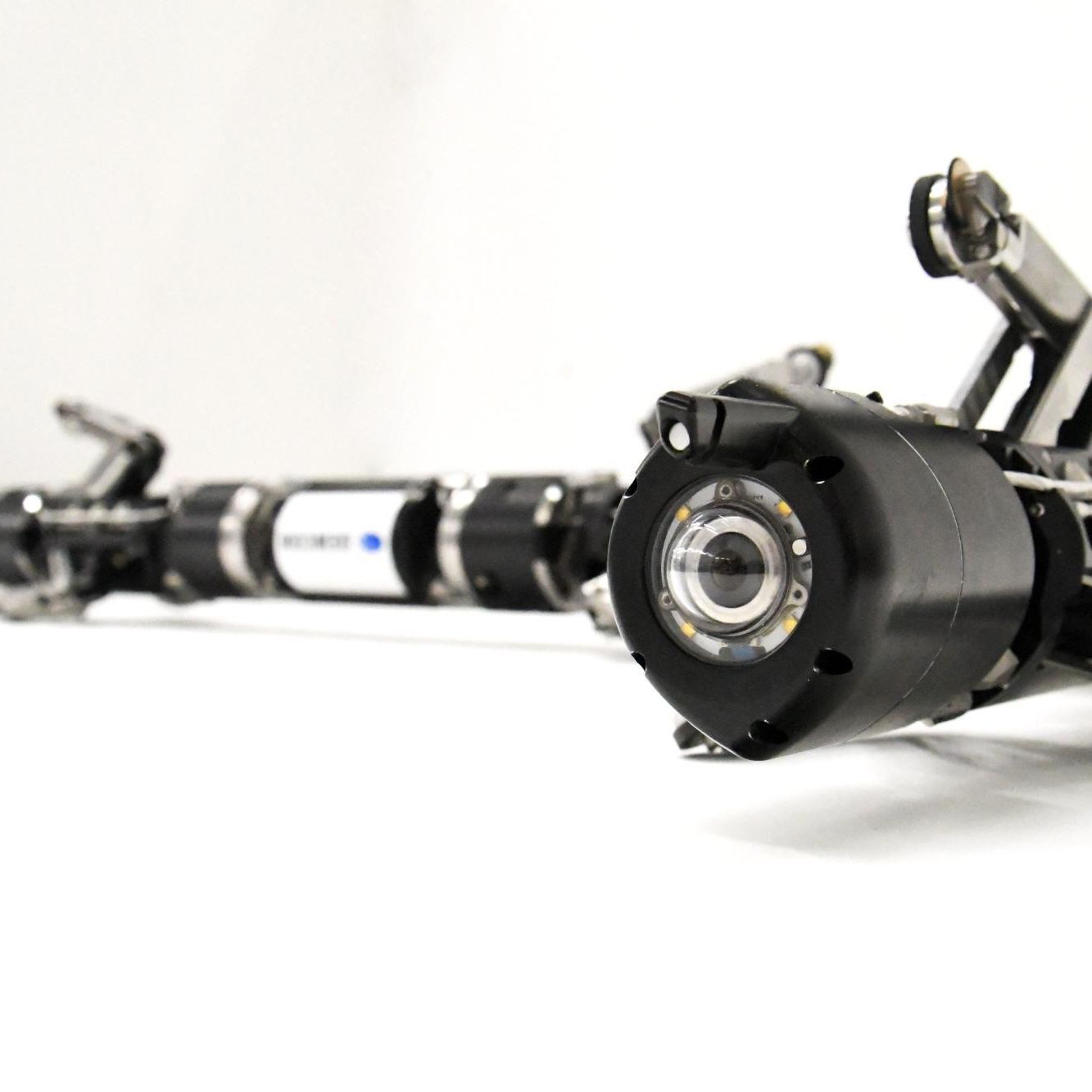
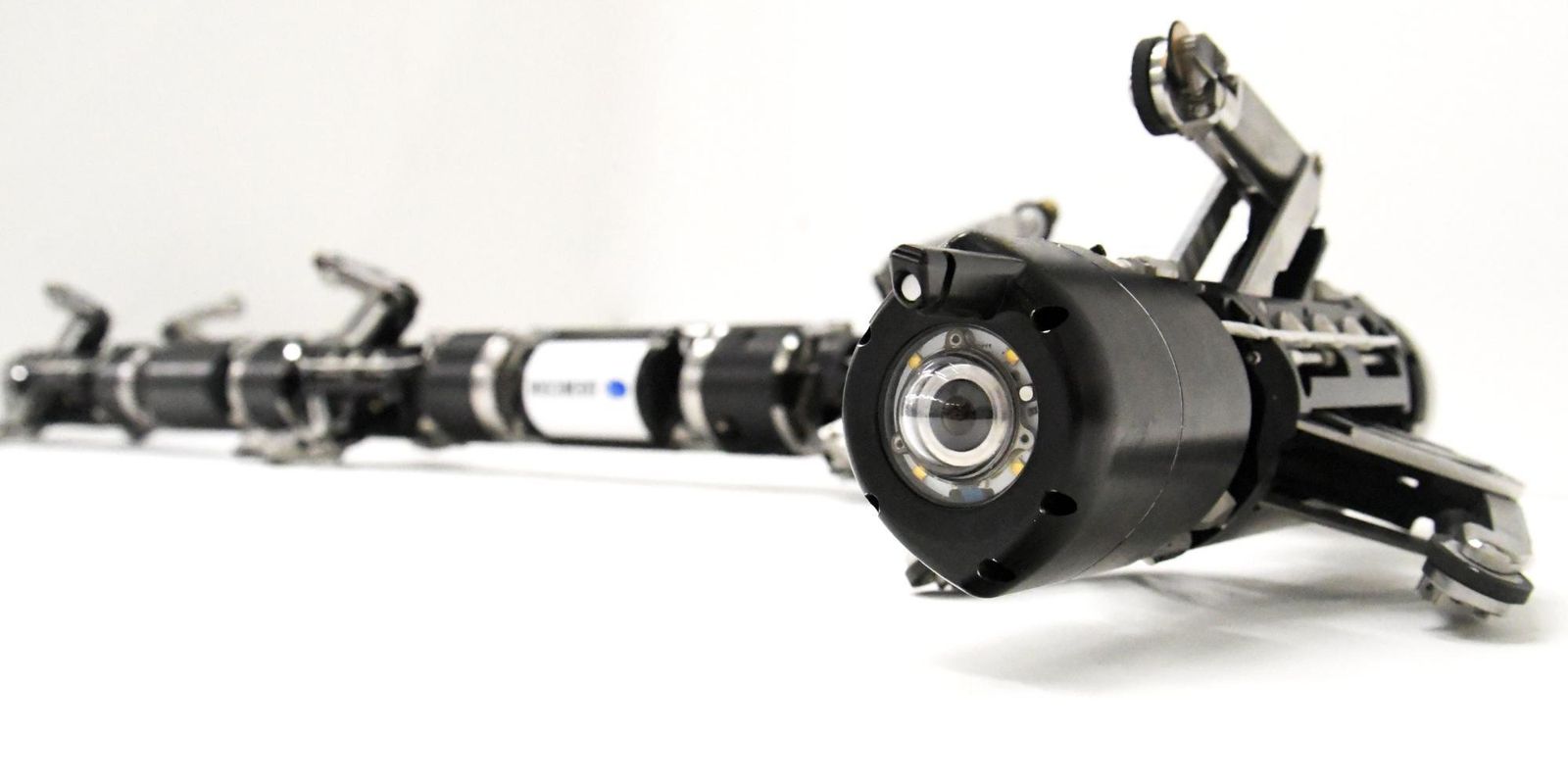
Autonomous robot for water‑pipe inspection. Detect leaks and defects with modular snake robotics and data‑driven diagnostics for smarter maintenance.
Read more