industry context
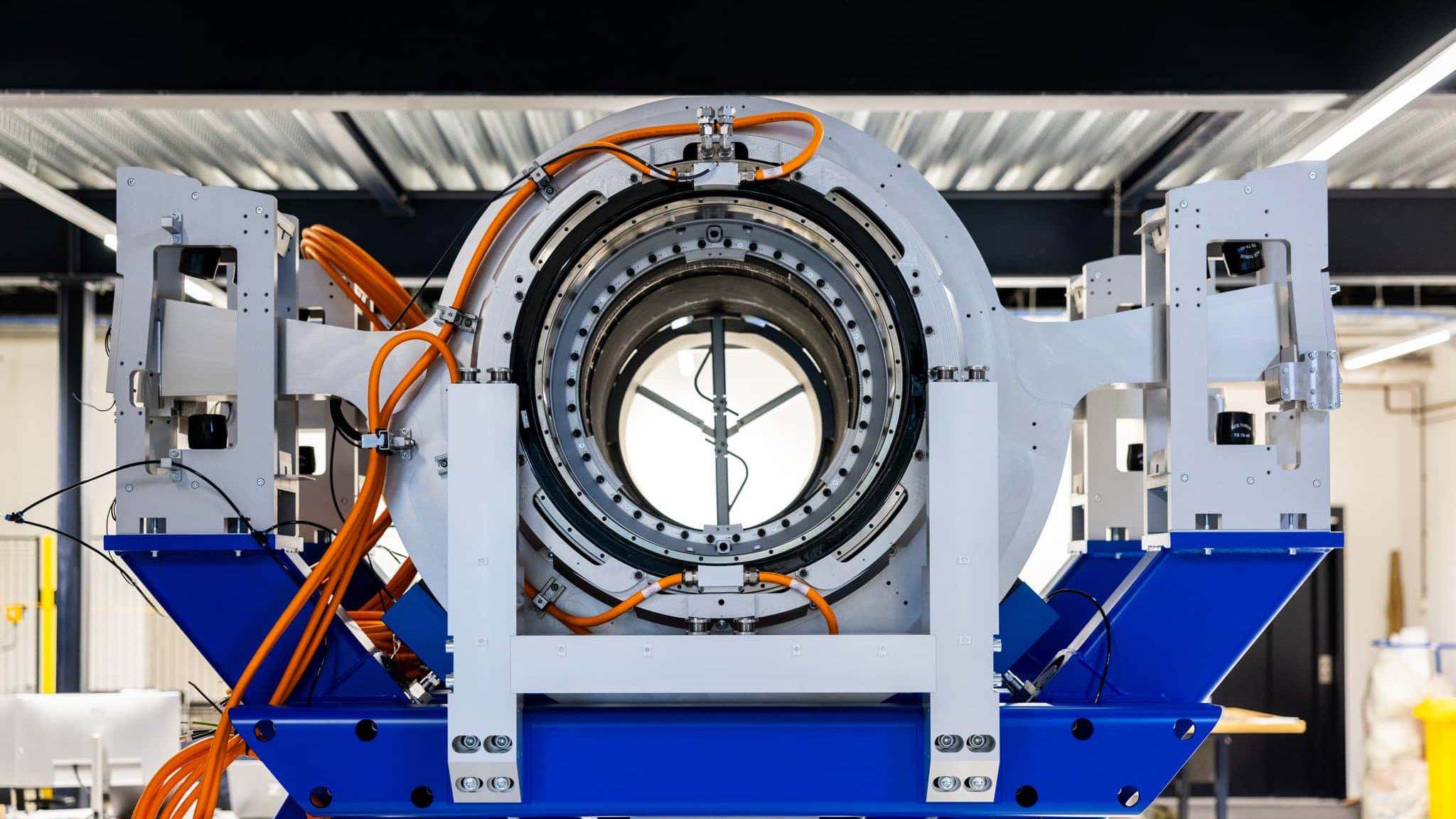
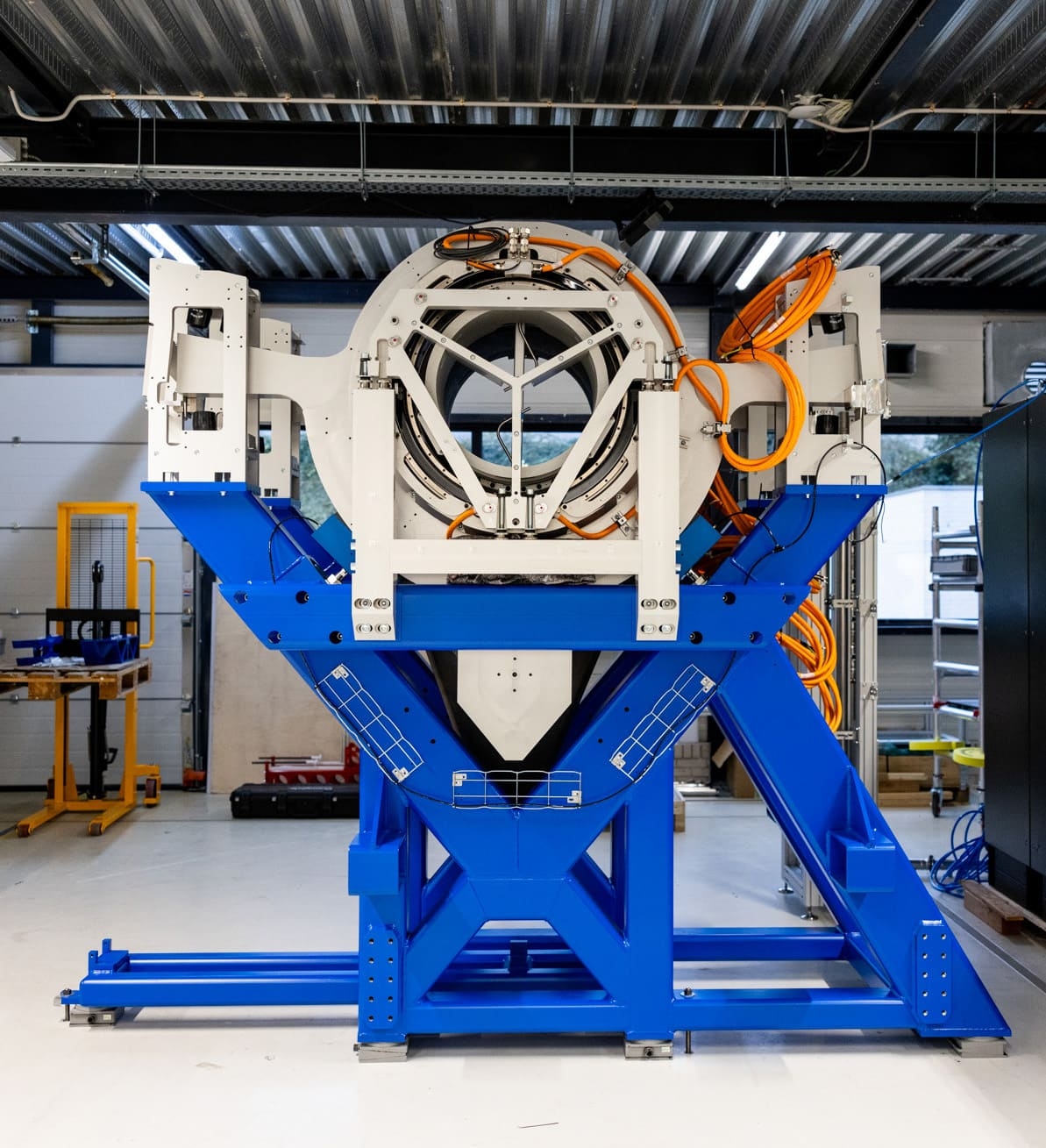
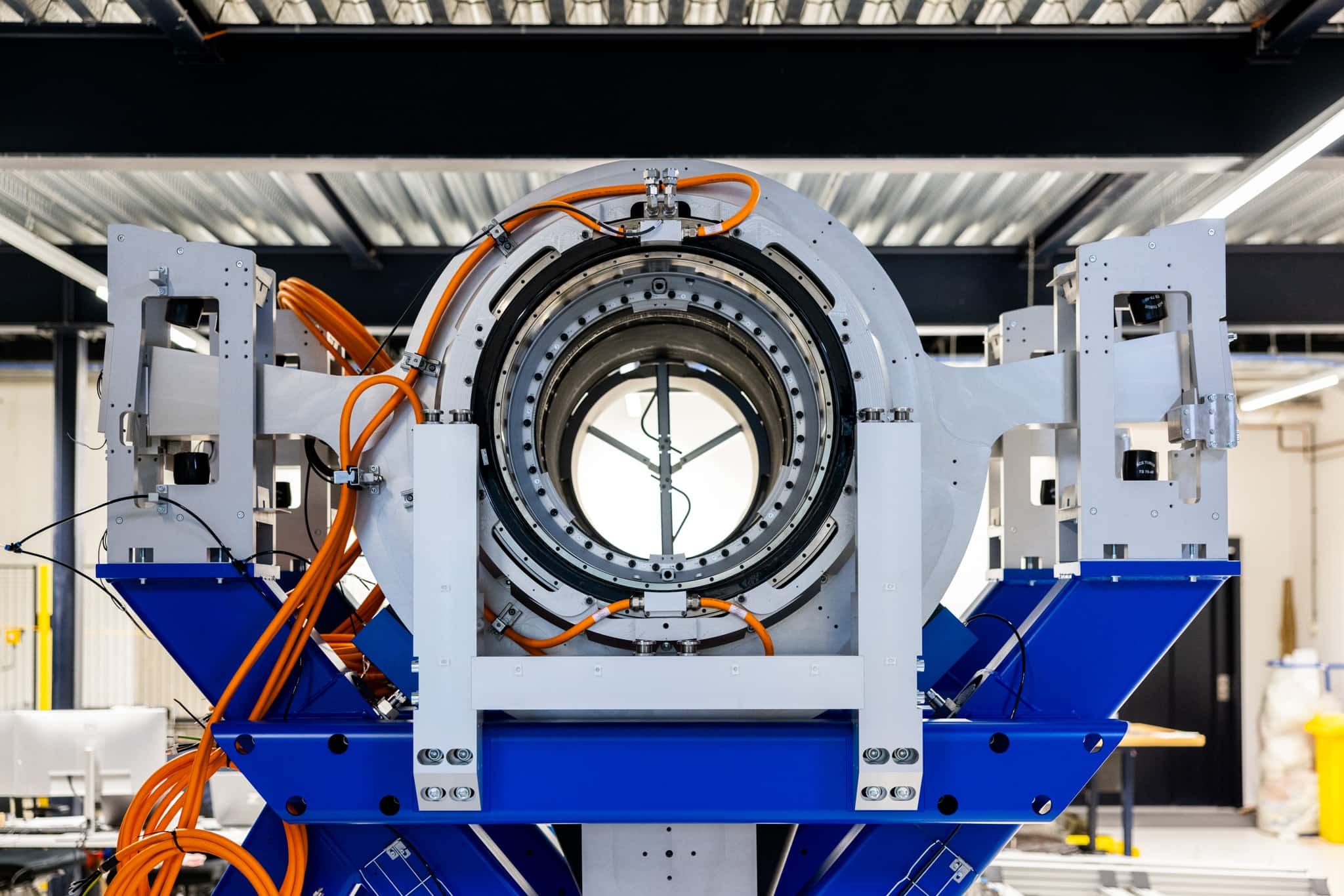
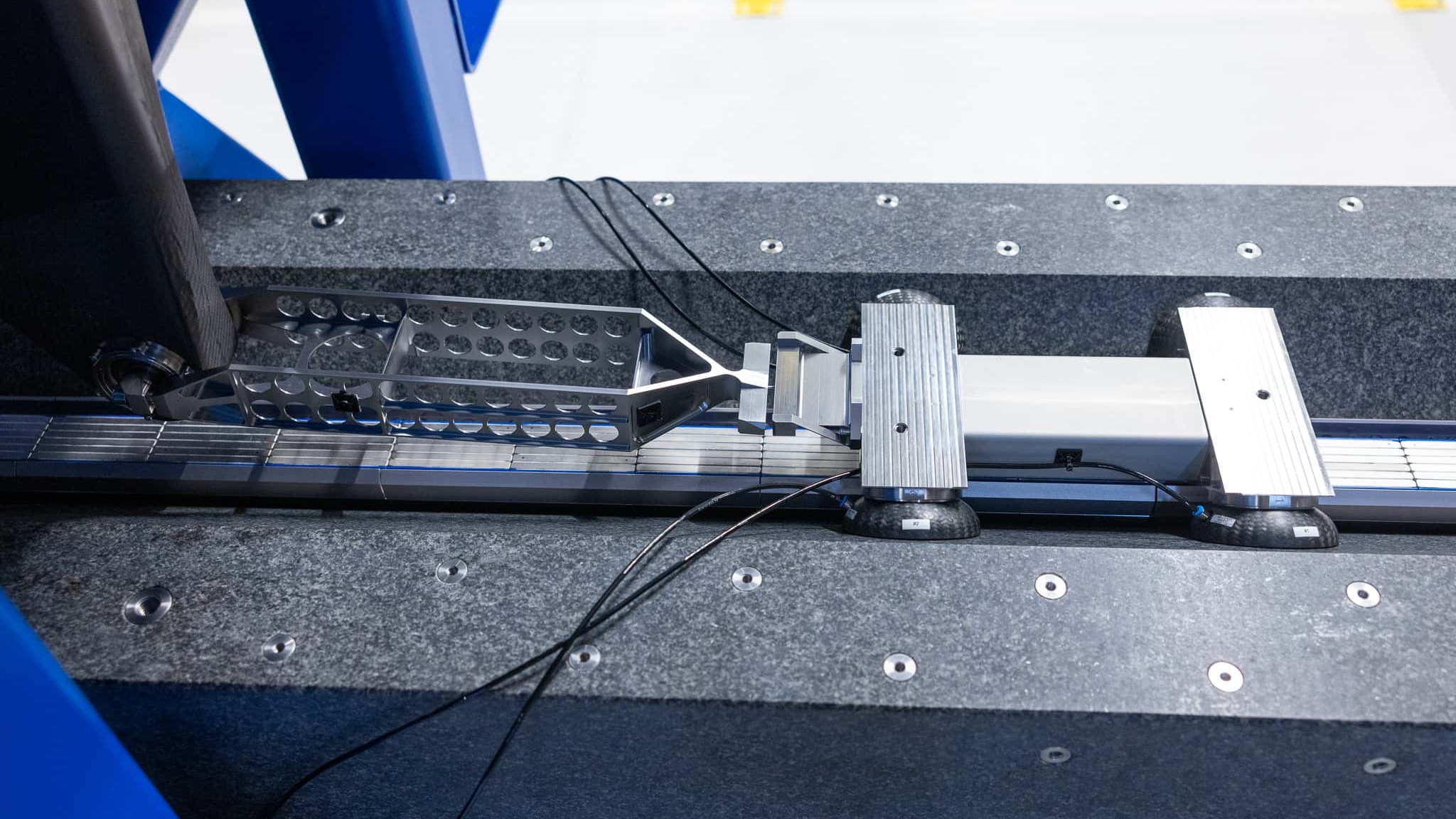
High-tech industries such as semiconductor equipment, precision manufacturing and advanced automation increasingly require validation of components under severe dynamic loading conditions. As system productivity increases, acceleration levels also increase. This introduces new risks related to mechanical interfaces, cable behaviour, connections and structural integrity. Understanding these effects requires test platforms capable of reproducing extreme motion profiles in a controlled and repeatable way.
Linear motor systems, as commonly used today, perform well within certain dynamic ranges, but as acceleration demands increase, physical limitations such as motor mass and thermal constraints begin to restrict further performance improvements. This creates the need for alternative motion architectures capable of extending achievable acceleration ranges.